3D Rendering and Photography: Which Is Right for Your Project?
If you are selling products online, your product visualisation (i.e. the images and media that you use to fill your web store) is invaluable in forming part of the decision your buyers make. Here we will explore what the main options are, and when to choose which.
3D rendering is often a good choice if your product isn't ready to photograph, you have lots of variants, or you need images that can be updated as the product changes. Photography may make more sense if you have a finished product, a small product range, and you want to show your product being used in a real setting. You can also use both: renders for consistent product images, and photographs to show the product in use.
What is 3D product rendering?
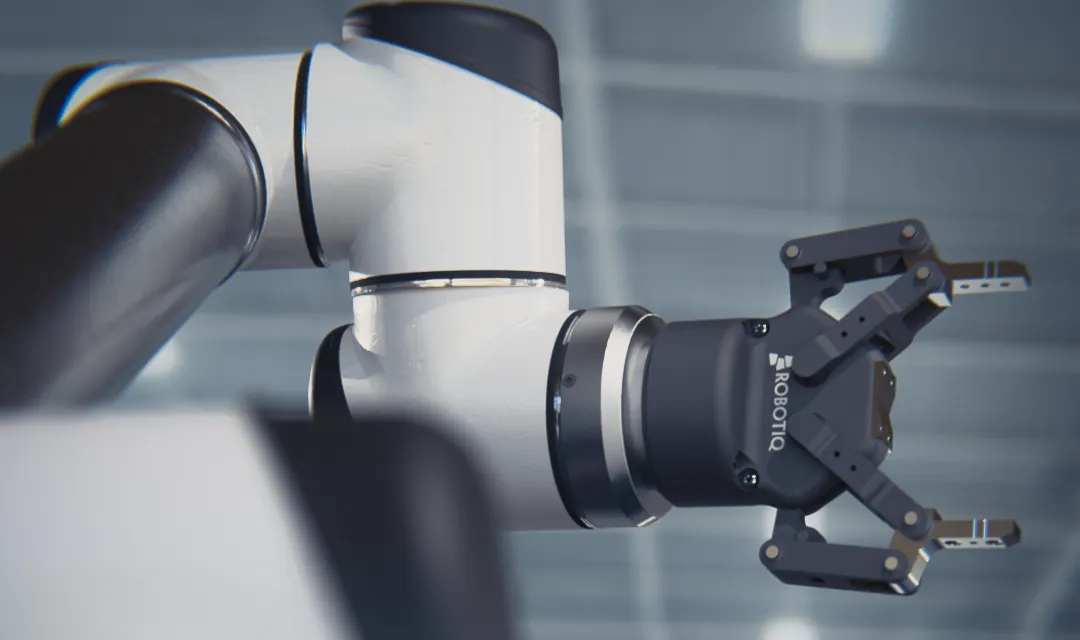
3D rendering involves creating a digital 3D model of your product, applying materials that act and look like real-world materials, and setting up lighting to create a virtual photography studio. This uses CGI technology, much like what is used in film and games, and is also commonly used in product marketing. The finished images are called 3D renders, and they can look very much like product photographs.
Is 3D rendering photography?
In terms of terminology, it's best to keep the two separate. Photography uses a camera to capture a real product, while 3D rendering creates an image of the product in a digital environment. While 3D rendering and photography are different art forms, there are many similarities. 3D rendering borrows a lot of techniques from traditional photography, which is why the results can often look very similar. Rendering uses cameras and lighting, and involves many of the same choices a photographer would make, such as where to position the camera and how to direct lighting. The aim is often to create something as similar to a photo as possible, so your customer can see what your product looks like.
What are the benefits of 3D rendering over photography?
3D rendering gives you more control over how your product is shown. You can create images from different angles and keep the lighting, background and camera position consistent across a range of products, creating a consistent range of product images across your catalogue and website.
You can also create images before the product is ready for sale, rather than waiting for a finished product to photograph. Once the 3D model has been prepared, it can be used to create different product variants and updated if details change. This becomes particularly useful when you have a growing range, which I'll look at in more detail below.
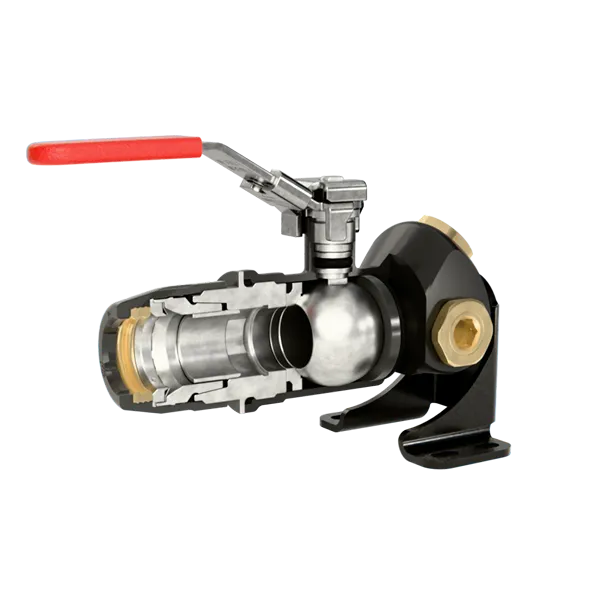
The model can be used for more than just studio pictures. You can create animations, cutaways, exploded views, and even installation and maintenance instructions from the same model. This gives the client more information about the product and lets them explore it from every angle, even going beyond what photography and real life can show in the case of X-ray and exploded views.
3D rendering: the cost-effective option for product variants and label swaps
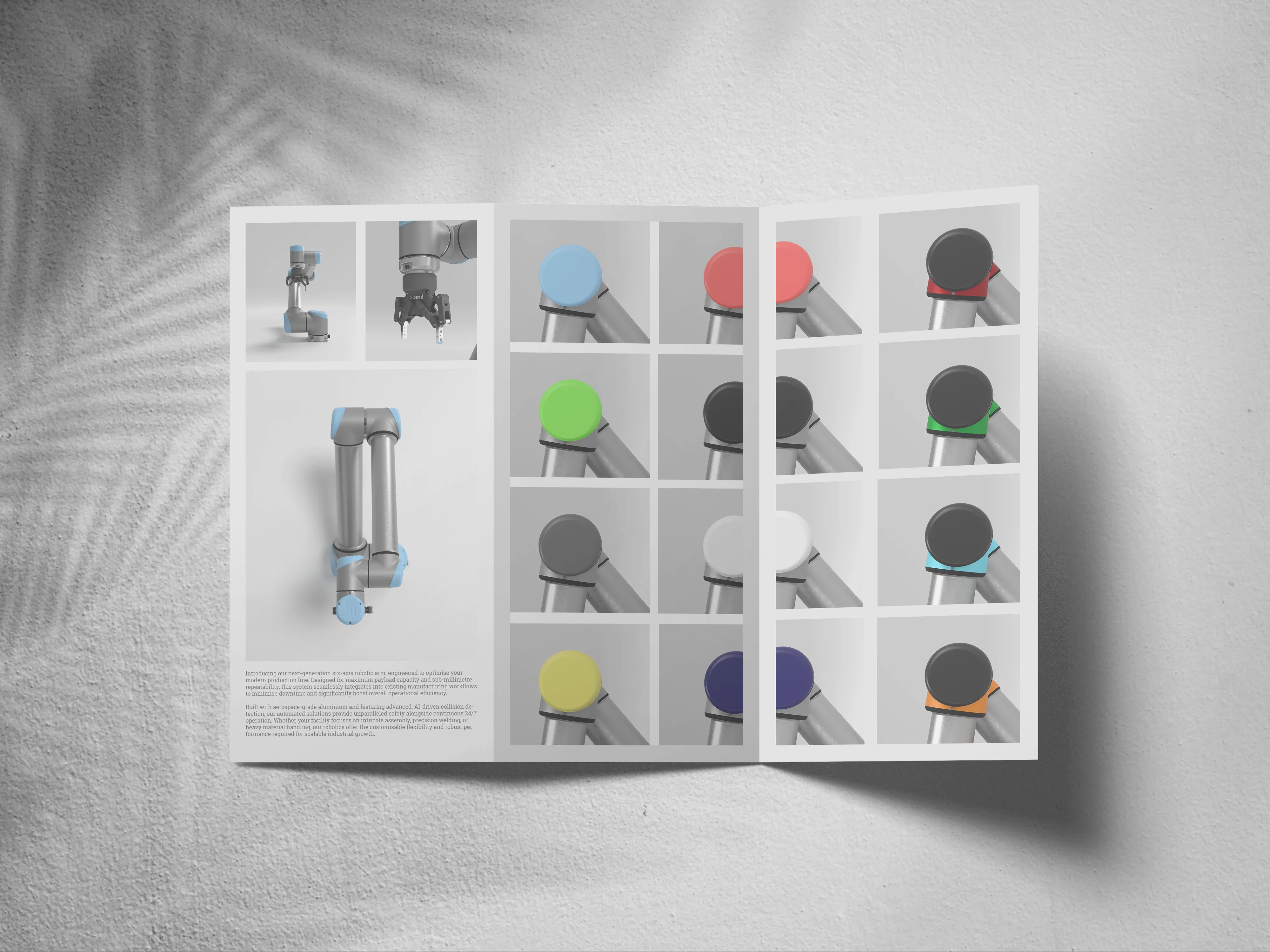
Once a 3D model has been prepared for rendering, you can create variants much quicker than arranging a new photoshoot for each one. Your cost per image can drop considerably compared with photography, and the more SKUs you have, the more cost-effective this can become.
Do you want to swap a product label 100 times? Change colours or small details while keeping the lighting and overall image style the same? Rendering is a great option.
Do you have an ever-growing list of products or SKUs and want to be able to commission images for new product ranges quickly? This is what we do at Offset Studio.
Why should engineering firms use product rendering?
Technical products such as industrial automation components, machinery and electronic devices are often good candidates for product renders.
For one thing, you may already have CAD models that your engineers use to design and manufacture the product. A CAD model isn't the same as a model prepared for rendering, but it can be converted into one. This can often be more time and cost effective than modelling the product from scratch.
Engineering products also often feature man-made materials such as steel, paints, aluminium, glass, carbon fibre, rubber and decals. These types of materials are particularly good candidates for achieving realism when replicated in a 3D environment.
Photography can be more difficult when the product is large, such as a factory setup or a vehicle. You need to find a suitable space, background and lighting for the shoot. Rendering doesn't share these challenges, and lets you create these images without moving the product into a studio.
Finally, marketing images often need to be developed alongside the product itself, before a finished version is available to photograph. With rendering, you can create images before the product is ready for sale.
When to use photography over 3D renders
In many ways, photography is really the gold standard of visualisation. You are not going to get a more realistic interpretation of your product unless you actually send it to the customer!
Photography excels in certain situations. If your images need to feature natural, organic subjects such as food, fabrics, humans, animals or natural scenery, these are often best captured in real life. Humans are particularly good at recognising faces, so when something isn't quite right, it can look odd. This is often called the uncanny valley effect.
Photography can also make sense when you already have a finished product and only need a few images. If you don't expect to create lots of variants or update the images later, preparing a 3D model may be more work than you need. It's also a good choice when you want to show the actual product installed, in use, or alongside real people.
CGI can be used in these situations too, but it is worth noting that sometimes, rather than trying to aim for 100% realism, you step into a more stylised approach.
Which should you choose?
If your product is still in development, you have a large range of variants, or you need images you can update as the range changes, 3D rendering is likely to be the better fit. If you have a finished product and only need a few images, or you want to show it in use with real people, photography may make more sense.
You can also use both. Renders can give you consistent images across your product range, while photographs show the product in a real setting. Both are valuable ways to increase sales and reduce return rates.
At Offset Studio, we create product renders for everything from individual engineering products to full ranges of SKUs. If you have a product range that needs new images as it grows, get in touch to discuss what you need.